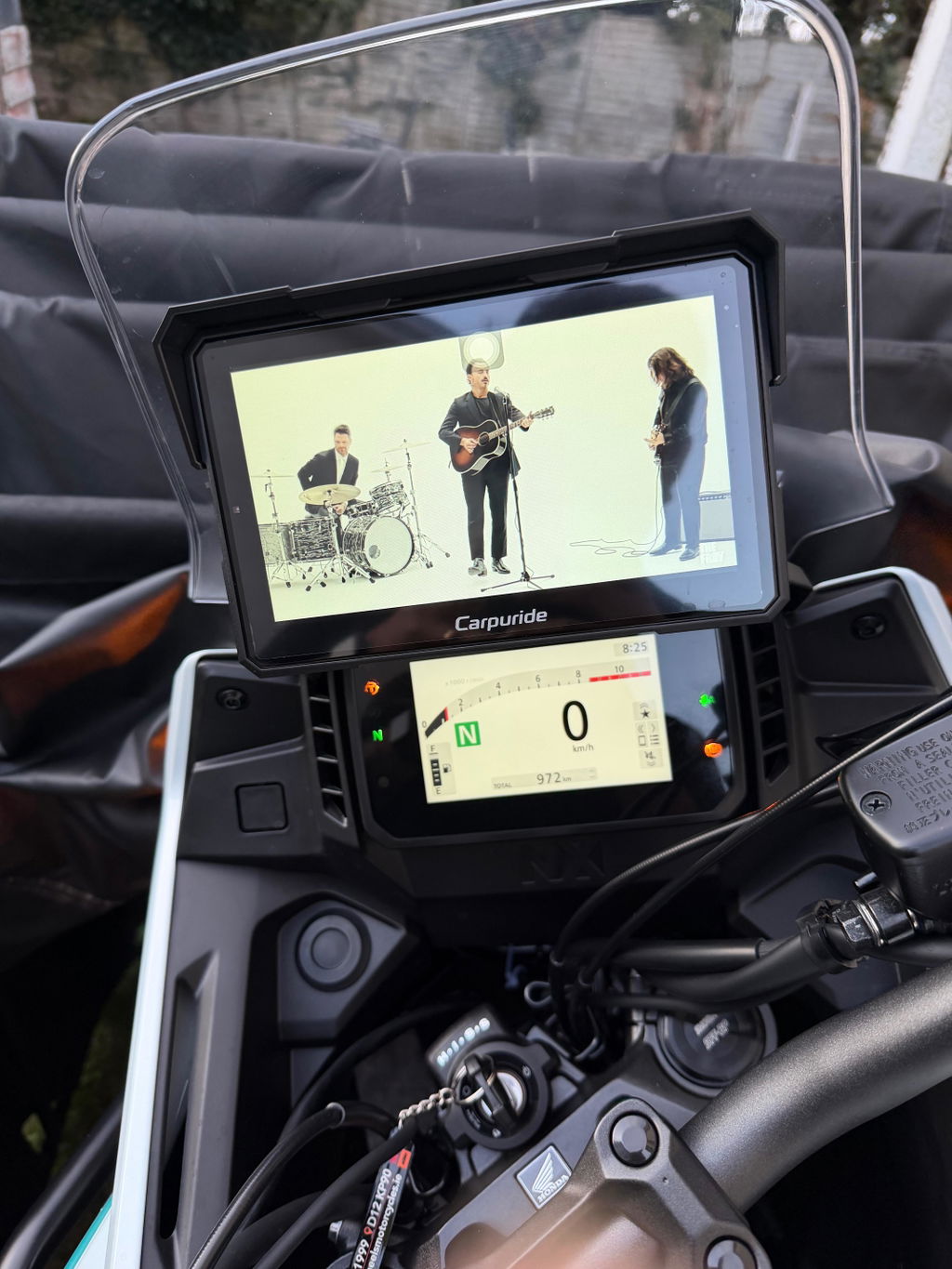
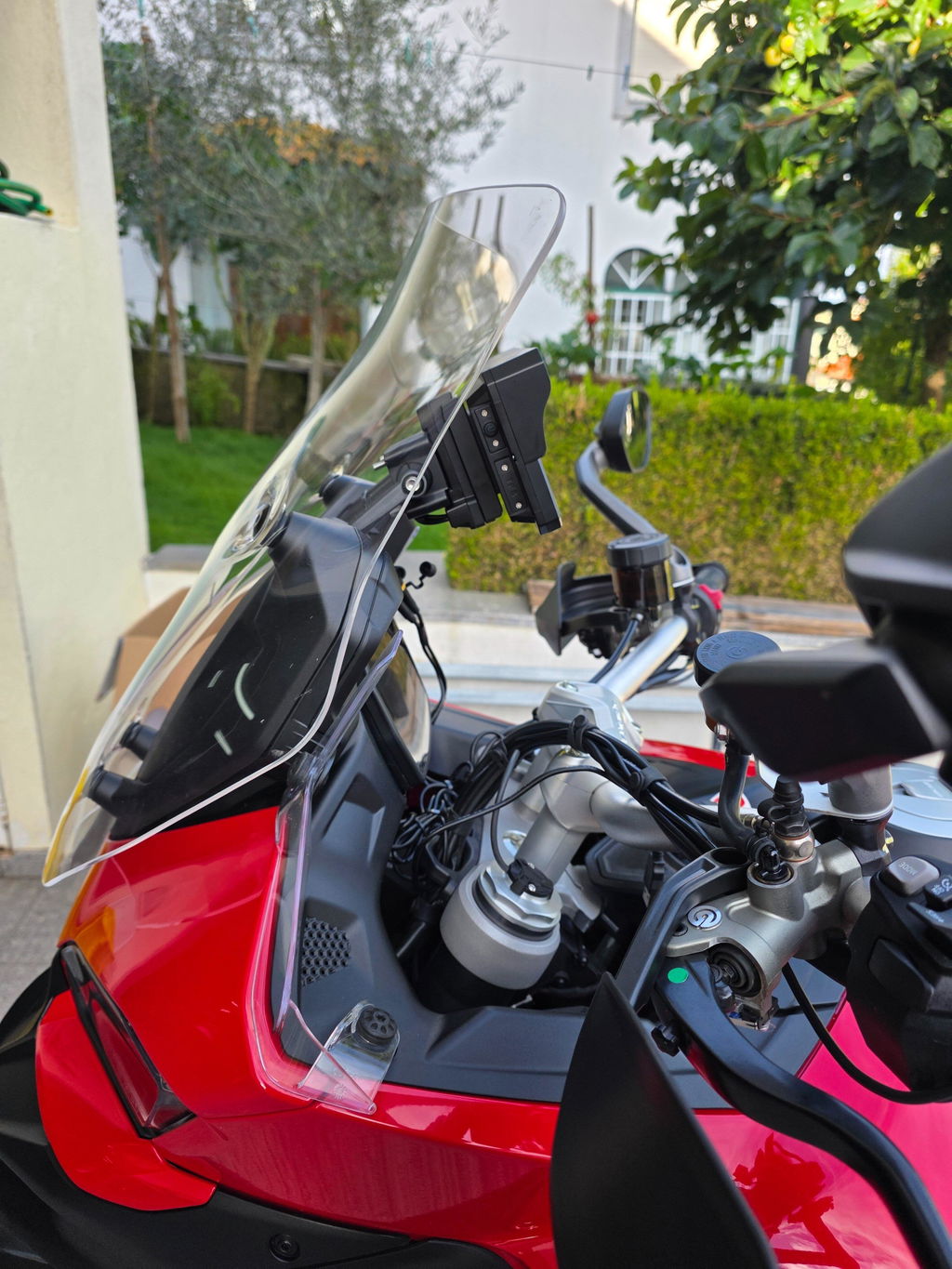
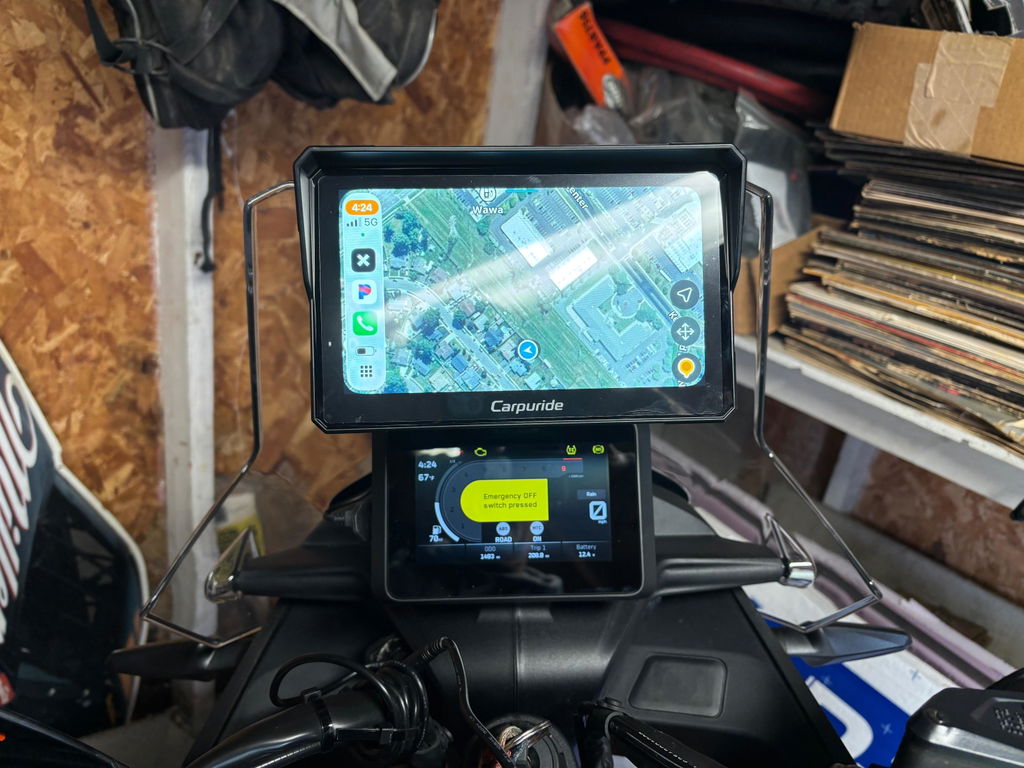
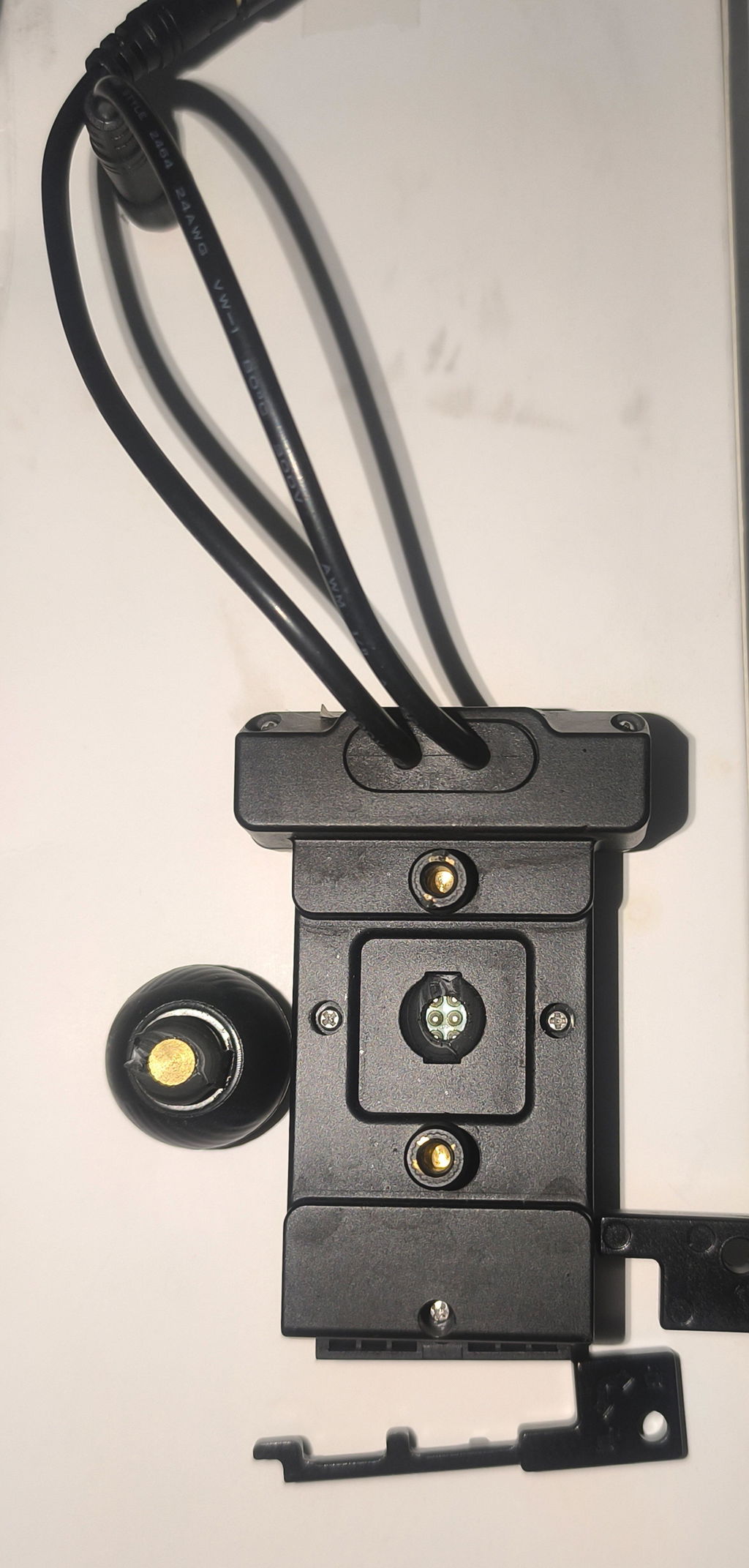
Picture this: You are riding on a bright afternoon, approaching a fast-changing highway junction. You glance down at your navigation screen, but the map is washed out by intense sunlight. Squinting or shielding the display takes your eyes off the road for several dangerous seconds.
When shopping for a motorcycle smart screen, you will frequently see the 1000 Nits specification. But why is 1000 Nits considered the golden standard for motorcycle navigation? Let’s break it down step-by-step.
💡 What Is a "Nit"?
Before examining outdoor performance, it helps to understand the core terminology.
A Nit (derived from the Latin word nitere, meaning "to shine") is the standard unit of measurement for screen brightness. In technical terms, 1 Nit equals 1 candela per square meter (1 cd/m²).
To visualize it simply: 1 Nit is roughly equivalent to the light emitted by a single candle glowing in a dark room.
• Indoor Displays: A standard indoor computer monitor or television typically outputs around 200 to 300 nits, which is plenty bright for a shaded office or living room.
• Outdoor Motorcycle Displays: Operating outdoors under open, unshaded sunlight requires a dramatically higher light output to overpower ambient glare—which is where 1000 Nits comes in.
☀️ 1. Overcoming Direct Sunlight & Ambient Contrast
The primary reason motorcycle displays require high brightness comes down to basic optics: ambient light contrast.
• Direct Solar Radiation:
When riding outdoors, direct sunlight pours onto your screen's glass cover. Ambient sunlight is exponentially stronger than indoor artificial lighting.
• Glare vs. Backlight:
When strong light hits the glass surface, it reflects back into your eyes. If a screen’s backlight isn't powerful enough, the ambient light overpowers the pixels underneath, reducing contrast and making road details hard to distinguish.
• High-Contrast Visibility:
A 1000-nit screen projects a powerful backlight that penetrates surface glare. This retains high color contrast, keeping map lines, text, and turn arrows sharp and legible even under direct noon sun.
📱 2. Sustained Brightness vs. Smartphone Overheating
Riders often ask: "My modern smartphone claims to have a very bright screen, so why do I need a dedicated motorcycle display?"
While high-end smartphones can briefly reach high peak brightness levels in short bursts, they face a severe physical limitation on a motorcycle: thermal throttling.
• Simultaneous Heat Sources:
When mounted on a handlebar, a smartphone performs multiple heavy tasks at once—running GPS tracking, rendering live navigation maps, streaming audio via Bluetooth, and absorbing direct heat from the sun.
• Forced Thermal Dimming:
Smartphones lack dedicated active or passive cooling for open-air environments. To protect internal batteries and processors from heat damage, smartphone operating systems trigger thermal protection. Within minutes of riding in direct sunlight, the phone automatically forces its screen brightness down to roughly 300 nits—or shuts down completely due to overheating.
• Dedicated Thermal Management:
Specialized motorcycle displays, such as Carpuride screens, are built specifically for continuous outdoor operation. Designed with efficient heat-dissipation structures, they maintain a continuous 1000-nit output for hours without dimming down due to thermal buildup.
🛡️ 3. Rider Safety & Reduced Glance Time
Display brightness directly impacts rider focus and safety on the road. In motorcycle safety training, instructors emphasize minimizing Glance Time—the brief moment a rider looks away from traffic to check instrument gauges or navigation map directions.
• Dim, Low-Contrast Screens:
When a screen is washed out by glare, your eyes must adjust, squint, and search for route details. A check that should take half a second can easily stretch into 2 to 3 seconds of hesitation.
• High-Contrast 1000-Nit Screens:
High contrast allows your eyes to instantly capture turn directions in a quick 0.5-second glance, keeping your focus where it belongs: on the road ahead.
🕶️ 4. Visibility Through Tinted Visors & Off-Axis Angles
Motorcycle riding introduces unique optical barriers that car drivers never encounter:
• Penetrating Helmet Visors:
Riders frequently wear smoked, dark-tinted, or polarized helmet visors, as well as tinted sunglasses. These protective face shields filter out a significant percentage of incoming light. A screen that looks acceptable to the unshielded eye can become difficult to read behind a dark visor unless backed by a powerful 1000-nit light source.
• Off-Axis Viewing Angles:
Unlike car drivers sitting directly in front of a dashboard, motorcycle riders constantly shift body positions. Adventure riders often stand up on footpegs when traversing rough terrain, while cornering causes the viewing angle to tilt relative to the handlebars. Combining 1000 nits with an IPS wide-viewing-angle panel ensures image clarity whether viewed head-on, standing up, or from a side angle.
🌙 5. Automatic Light Sensing for Night Riding
While 1000 nits is essential for cutting through daylight glare, having a screen locked at maximum brightness at night or inside dark mountain tunnels can dazzle the rider and cause eye fatigue.
A complete display solution balances intense daylight output with dynamic nighttime dimming:
• Integrated Light Sensors:
Advanced models like the Carpuride Pro and Plus series feature built-in Automatic Light Sensors.
• Smooth Transitions:
The system continuously monitors ambient light conditions, delivering 1000 nits under intense afternoon sun and automatically scaling down screen brightness when entering tunnels or riding at night to protect your night vision.
Final Thoughts
A 1000-nit screen specification is far more than an abstract marketing number—it is the baseline for clear, safe, and reliable outdoor navigation. By penetrating ambient glare and dark helmet visors without thermal dimming, a 1000-nit display ensures your route is always visible at a single glance.
Explore Carpuride’s complete lineup of motorcycle smart screens featuring 1000-nit sunlight-readable displays to upgrade your riding experience today.
Read More
BMW GS CarPlay Upgrade: Is the Carpuride W702BS Worth It?
W702 Plus vs W702S Pro: Which Carpuride Screen Is Right for You?
How to Choose the Right Carpuride Bracket for Your Motorcycle?